
COVID CARE
While living life as a human being, what we have truly earned is what remains after considering what we gained and what we lost. That “earning” could be financial wealth, intellectual knowledge, reputation, social status—there are many such things that give a person the strength and motivation to feel that “I have done something in life.”
In my case, this strength settles into a sense of deep satisfaction. You may call it contentment, or perhaps the realization of who I truly am. I was able to change my perspective towards the world, understand what truly deserves importance in life and what does not, and most importantly, I could answer a crucial question to myself:
“When the time came, when there was a need—what did I do?”
In March 2020, the lockdown began, and a completely unknown virus—COVID—spread rapidly through our society. Even the medical field had no clear answers or solutions at that time.
All of us, as ordinary citizens, stood helplessly watching a massive crisis unfold before us.
The government, healthcare systems, and medical science were all in a fragile state because we, as a society and as a nation, had never faced such a pandemic before. We were simply not prepared.
Due to lack of knowledge, fear, and the overwhelming flow of information, every citizen was anxious and mentally stressed.
It was the first wave, and despite restrictions and precautions, the number of COVID cases kept rising rapidly.
In our city, Ahilyanagar, the situation was even worse. Our city ranked among the top 11 most affected cities in India
Government systems were falling short. Isolation centers, food supply, groceries—many social organizations stepped forward to support the administration, yet the need was far greater.
At that time, the then District Collector, Mr. Rahul Dwivedi, called a meeting of social organizations. As the President of the Rotary Club of A. Nagar Midtown, I attended that meeting.
The Collector explained that cases were increasing rapidly, and both government and private hospitals were overwhelmed. Apart from the Civil Hospital, only Booth Hospital was admitting COVID patients, and even that was running out of beds and space. It had become essential to start a COVID Care Center (CCC) to isolate and admit patients, and social organizations needed to take the initiative.
Just because we were part of social organizations didn’t mean we weren’t human. We had families, responsibilities—and this was a disease that had created immense fear.
But somehow, in that moment, I spoke up:
“Sir, we, on behalf of Rotary, will take the initiative to set up a COVID Care Center. Will you support us?”
What followed next were days of unimaginable speed and intense activity. I experienced firsthand the power of the Collector’s office. All government departments swung into action.
A three-story boys’ hostel of the Government Polytechnic was handed over to us. The Municipal Commissioner, Mr. Shrikant Maikalwar, personally ensured the entire building was cleaned. MSEB and PWD engineers took care of electricity, painting, and sanitation.
Rotary meetings began. All Rotary clubs in the city came together. Funds were raised. We arranged 100 beds, mattresses, pillows, water purifiers, kettles, curtains, new window panes, PPE kits, patient kits (plates, bowls, toothbrush, paste, soap), CCTV cameras, landline phones, nursing stations, doctors’ rooms, examination areas, furniture, oxygen cylinders, ambulances, fans, lights—even mosquito coils.
The lists seemed endless.
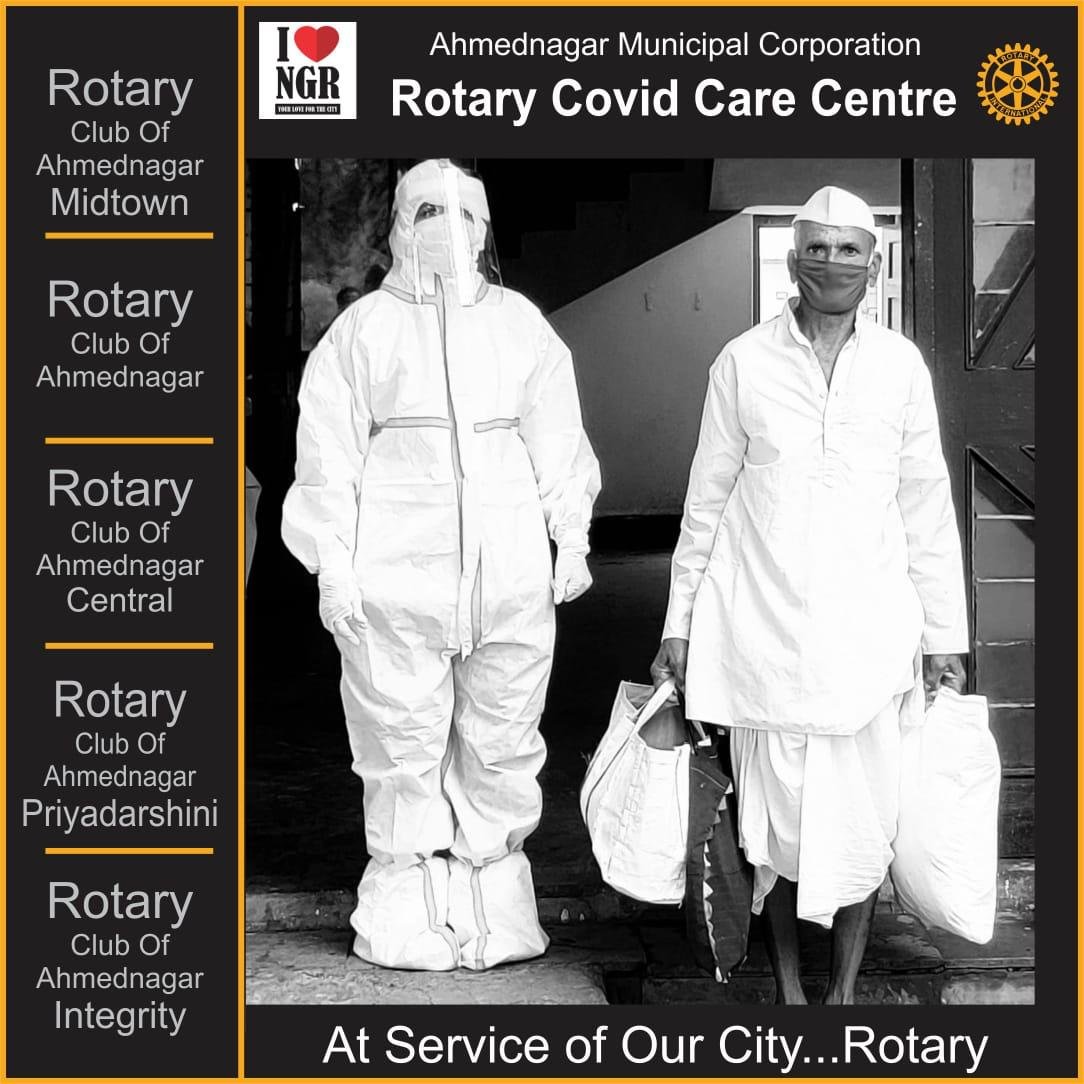
And yet, within just 10 days, all Rotary members together transformed a closed hostel into a fully equipped 100-bed Rotary COVID Care Center.
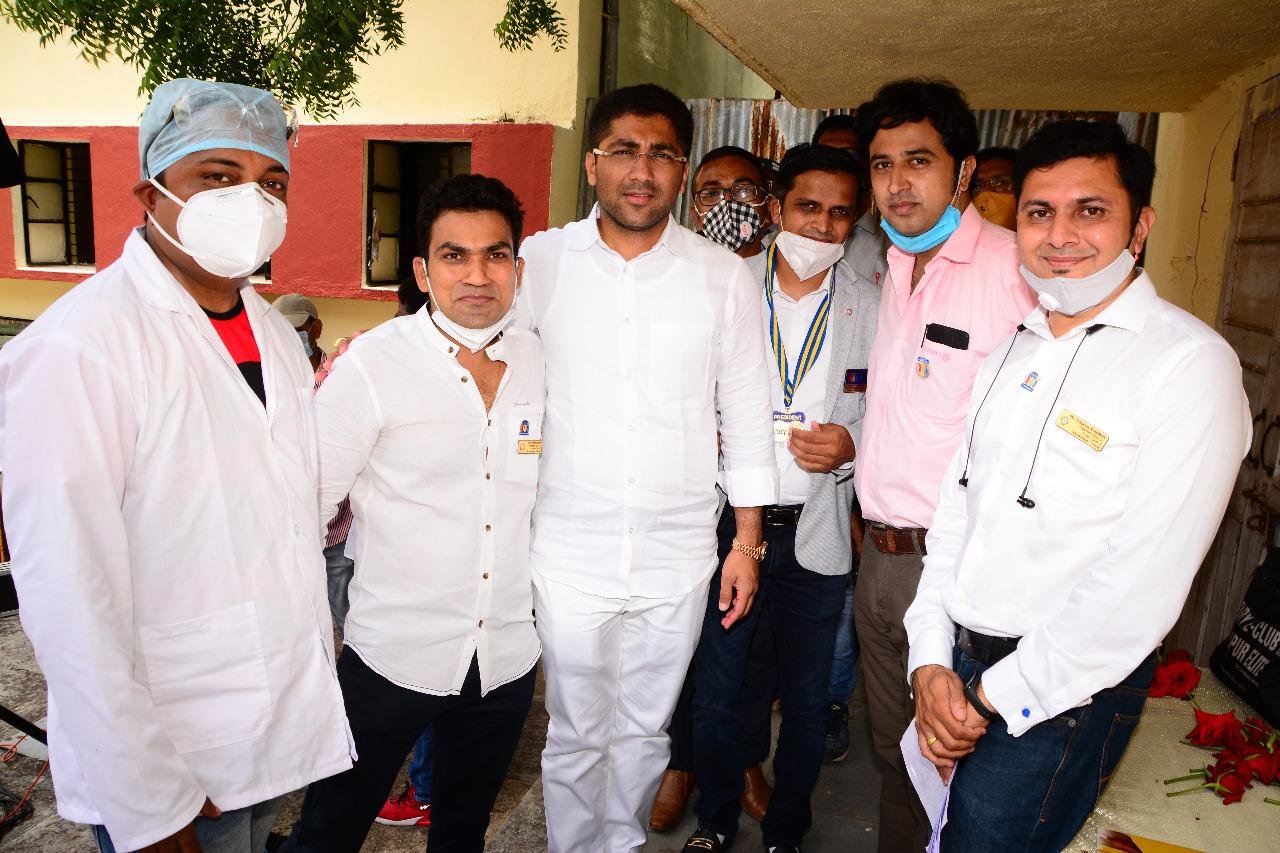
My friends—late Amit Borkar, Prasanna Khajgiwale, Rafiq Munshi, Geeta Gilada, Ishwar Bora, Digambar Rokade, Purushottam Jadhav, Suyog Zhanwar, Devika Rele—everyone worked tirelessly. What I had initiated soon became a collective effort, and eventually, it became the city’s own initiative.
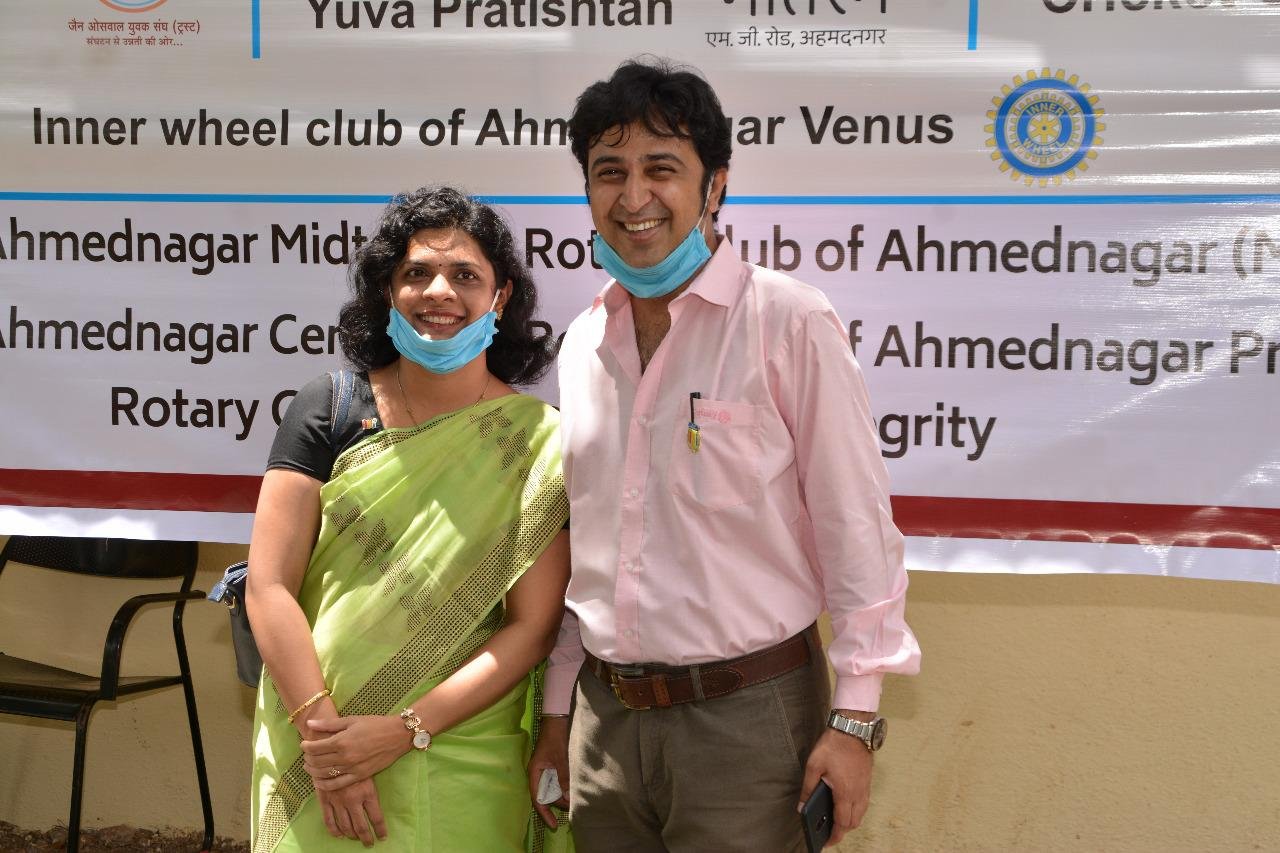
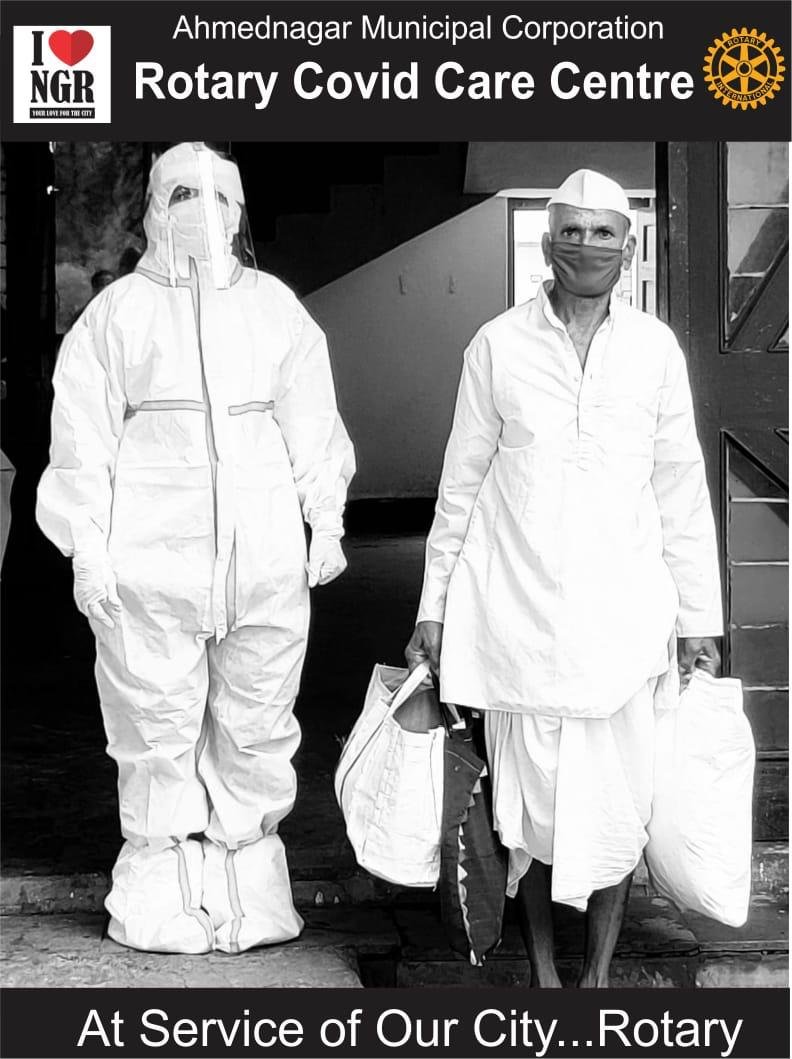
The real test began after the center started.
We were not doctors, nor from the medical field. But Dr. Satish Rajurkar and his team, along with nurses provided by the municipal corporation, stood strong to deliver medical care.
Running the center, however, was our responsibility.
For the first week, we arranged food from outside. But soon, we planned and started our own Rotary community kitchen.
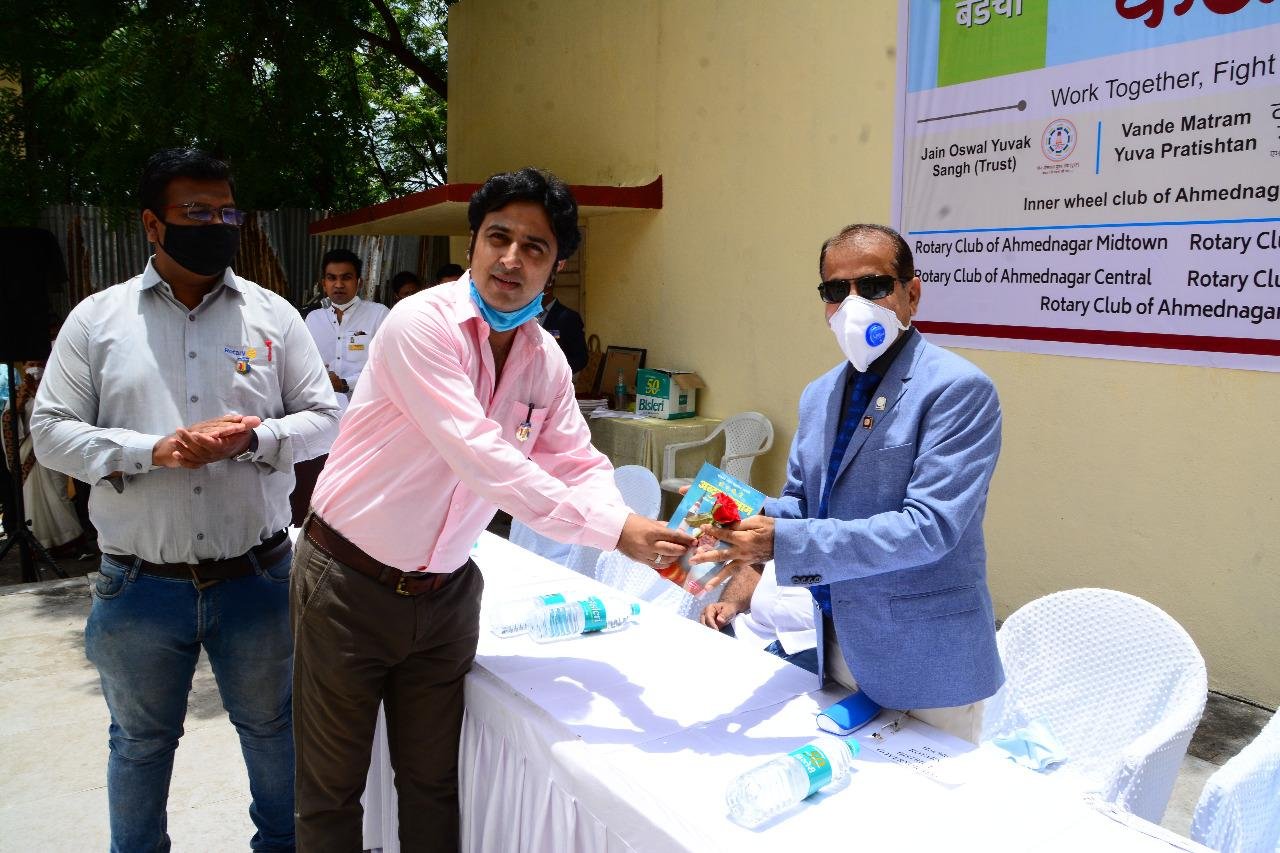
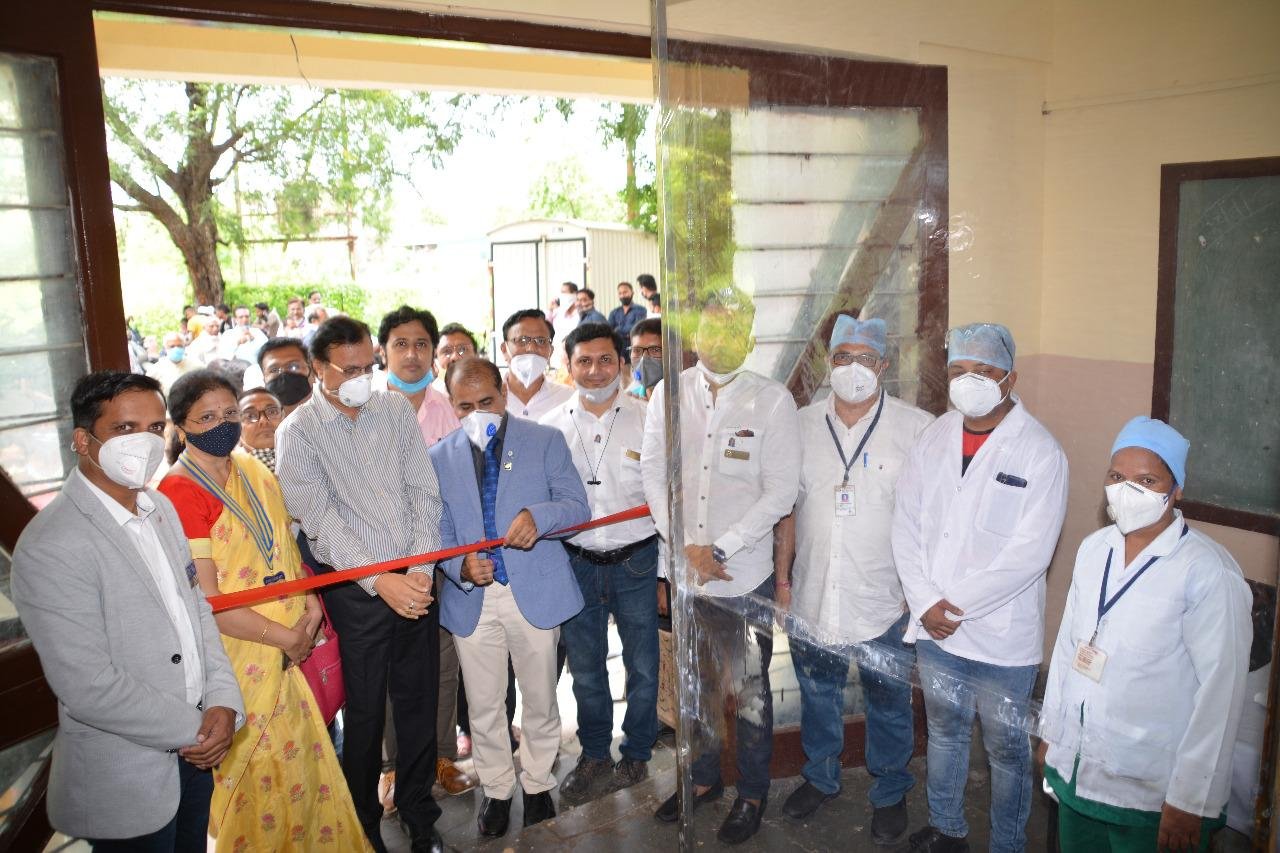
The center was inaugurated by MLA Sangram Jagtap and then DG Harish Motwani. At that time, I expressed a wish:
“May we serve as many people as possible and may the day come soon when we can shut this center because it is no longer needed.”
Within three days, all beds were full.
Seeing women, children, and elderly patients was heartbreaking. We provided food and medical care, but was that enough?
The answer came from my 6-year-old son, Pratyush. He said,
“Give my toys, bicycle, and drawing materials to the children staying there.”
That moment changed everything.
Soon, we introduced many more facilities—library, devotional groups, celebrations of festivals like Dahi Handi, Independence Day, Republic Day, Ganpati, Navratri. Patients kept coming and going, but a time came when people insisted on getting admitted only to our center.
Beds were always full.
Government officials visited. Media covered our work. Many other organizations joined us. Patients appreciated fresh fruits, juices, and the meals prepared by our cook, Pyarelal.
Every morning at 7 AM, we gathered patients, spoke with them, conducted yoga and exercise sessions, and provided Ayurvedic decoctions along with medicines.
The Divisional Commissioner, Mr. Game, visited and recognized it as a model COVID center.
Recovered patients would thank us with folded hands, tears in their eyes. Elderly people would bless us.
Once, a woman patient said while leaving,
“Please remove your mask, I want to see your face. We received more care and love here than even from our family.”
I refused. I said, if you recognize me later, that should not happen.
When you cook “sheera,” it is just food. But when you offer it to God with devotion, it becomes “prasad.”
Social service should never be done for personal gain—that is what Rotary teaches us
During this work, many of us—including myself, my wife Madhura (who came daily), Prasanna, Purushottam—tested COVID positive. Prasanna and Purushottam even had to be admitted to ICU.
But the center continued.
From this center, 2,200 patients received free treatment and returned home. We served around 35,000 meals and 18,000 breakfasts. We provided oxygen to 168 critical patients and shifted them to Civil Hospital for further treatment—saving their lives.
Not a single COVID-positive patient died in our center—whether symptomatic or not. That was our biggest success.
We also helped save around ₹6–7 crore for the poor and needy people of our city.
And most importantly, I earned the satisfaction that when the time came, I did something. That gives me the strength to live the rest of my life.
Even today, those memories give me peace and inspiration.
There is no point in saying, “If I were born in that era, I would have done this or that.” The question is—what will you do now?
Society will always have needs. And whenever the time comes, we must ask ourselves:
“As a human being, what did I do?”
The positive answers to this question are what truly enrich life—for me, for you, for all of us.
– Rtn. Kshitij Zaware